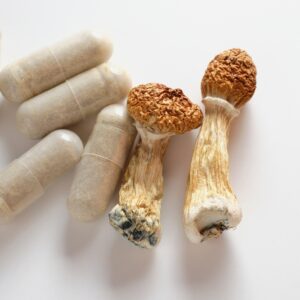
Researchers said the results offered promise to the millions of Americans with alcohol use disorder.
A small study on the therapeutic effects of using psychedelics to treat alcohol use disorder found that just two doses of psilocybin magic mushrooms paired with psychotherapy led to an 83 percent decline in heavy drinking among the participants. Those given a placebo reduced their alcohol intake by 51 percent.
By the end of the eight-month trial, nearly half of those who received psilocybin had stopped drinking entirely compared with about a quarter of those given the placebo, according to the researchers.
The study, published Wednesday in JAMA Psychiatry, is the latest in a cascade of new research exploring the benefits of mind-altering compounds to treat a range of mental health problems, from depression, anxiety and post-traumatic stress disorder to the existential dread experienced by the terminally ill.
Although most psychedelics remain illegal under federal law, the Food and Drug Administration is weighing potential therapeutic uses for compounds like psilocybin, LSD and MDMA, the drug better known as Ecstasy.
“These are exciting results,” Dr. Bogenschutz said. “Alcohol use disorder is a serious public health problem, and the effects of currently available treatments and medications tend to be small.”
The double-blind randomized trial followed 93 participants for 32 weeks and divided them into two groups: One received psilocybin and the other a placebo in the form of antihistamine pills. The participants, all of whom struggled with excessive drinking, also took part in 12 therapy sessions that began several weeks before they received their first doses and continued for a month after the final dose. The psilocybin dosage was determined according to participants’ weight, and their heart rate and blood pressure were monitored during the eight-hour sessions.
Although none of the participants who received psilocybin reported serious adverse effects, the study had one notable limitation: After each session, nearly all the study subjects were able to successfully guess whether they had received psilocybin or the placebo. “Biased expectancies could have influenced results,” the authors wrote, “so this issue remains a challenge for clinical research on psychedelics.”
Mary Beth Orr, one of the study participants who received psilocybin, said the treatments helped alter her destructive relationship with alcohol. Although she never blacked out and described herself as a “classy drinker,” her life was nonetheless diminished by nightly boozing that left her feeling miserable in the morning.
The psilocybin sessions, she said, were at times unnerving but ultimately illuminating. The mystical, dreamlike journeys included vivid splashes of color, fantastical creatures and………..